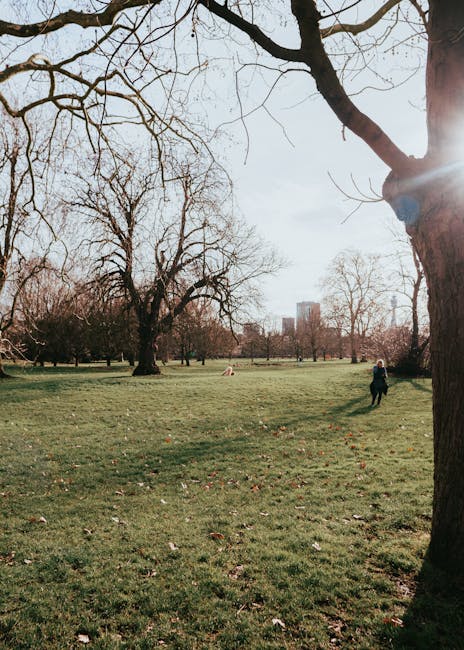
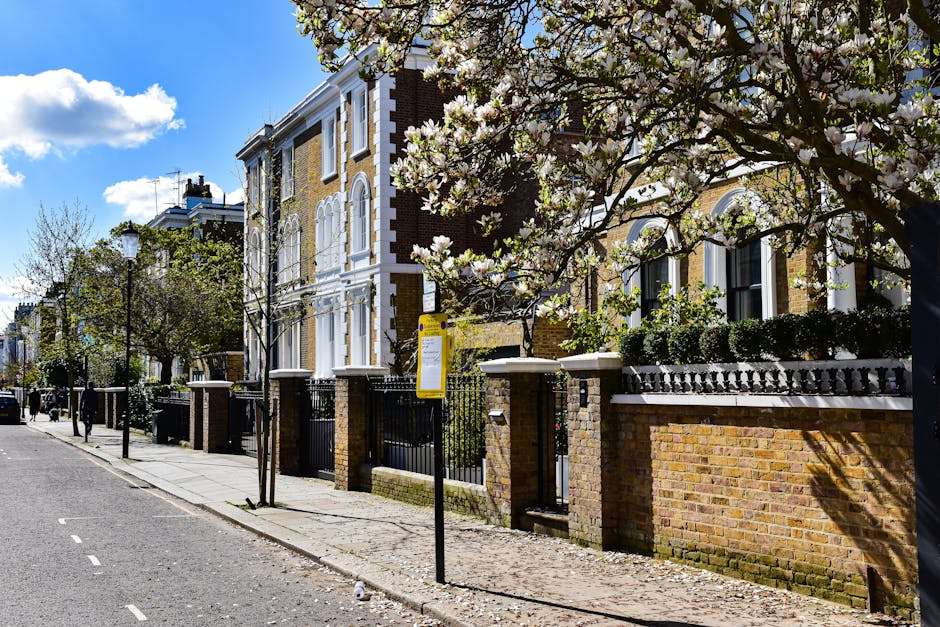
Best gardeners for Regents Park terraces Baker Street NW1
If you own or manage a terrace near Regent's Park or along Baker Street in NW1, you already know the pattern: lovely outlook, limited space, awkward access, and a garden that can swing from polished to overgrown in a matter of weeks. Finding the best gardeners for Regents Park terraces Baker Street NW1 is less about hiring "someone who does gardens" and more about choosing a team that understands London terrace planting, seasonal maintenance, container systems, shade, wind exposure, and the realities of working cleanly in a shared urban setting.
That's the difference between a terrace that merely survives and one that feels calm, structured, and genuinely cared for. In this guide, you'll find a practical breakdown of what to look for, how terrace gardening works in this part of London, what good service actually includes, and how to avoid the sort of mistakes that cost time and money later. Truth be told, a lot of terraces look fine from a distance. Up close? They need a far more thoughtful hand.
Table of Contents
- Why Best gardeners for Regents Park terraces Baker Street NW1 Matters
- How Best gardeners for Regents Park terraces Baker Street NW1 Works
- Key Benefits and Practical Advantages
- Who This Is For and When It Makes Sense
- Step-by-Step Guidance
- Expert Tips for Better Results
- Common Mistakes to Avoid
- Tools, Resources and Recommendations
- Law, Compliance, Standards, or Best Practice
- Options, Methods, or Comparison Table
- Case Study or Real-World Example
- Practical Checklist
- Conclusion
- Frequently Asked Questions
Why Best gardeners for Regents Park terraces Baker Street NW1 Matters
Terrace gardens in this part of London are not the same as suburban gardens, and they shouldn't be treated as if they are. A Regent's Park terrace or Baker Street NW1 property often sits in a tighter microclimate: reflected heat from brick and stone, gusts funnelling between buildings, pockets of shade from neighbouring facades, and limited soil depth in planters or raised beds. A good gardener reads those conditions before picking a single plant.
That matters because poor choices show quickly. A plant that looks fantastic in a nursery can struggle miserably on a north-facing terrace or dry out within two warm afternoons in July. On the other hand, the right gardener will think in layers: structure, drainage, access, irrigation, seasonal interest, and how the space feels from inside the flat as well as out on the terrace itself.
There's also a lifestyle factor. Many people in NW1 want a garden that feels elegant without needing constant intervention. That usually means a maintenance plan, not just a one-off tidy-up. If you want a terrace to stay crisp through spring, hold its shape in summer, and still look decent in winter, the service has to be tailored to the site. No shortcuts. Well, not the good kind anyway.
For broader property care and outdoor upkeep, it can help to look at connected services too, such as regular garden maintenance, professional landscaping, and precise hedge trimming. A terrace garden often benefits from all three, just in different proportions.
How Best gardeners for Regents Park terraces Baker Street NW1 Works
In practical terms, good terrace gardening starts with assessment. Before anyone prunes, plants, or suggests containers, they should understand the space: light levels, prevailing wind, how water drains, whether the terrace is overlooked, and what the access constraints are. In London, access can shape the whole job. If materials need to be carried upstairs or through shared areas, the process needs to be neat and respectful from the outset.
From there, the work usually falls into a few stages:
- Site review - checking what is already growing, what is failing, and what can be salvaged.
- Planning - deciding on planting style, maintenance frequency, and any upgrades such as new planters or irrigation.
- Implementation - pruning, refreshing compost, replacing tired specimens, and improving structure.
- Ongoing care - watering, feeding, deadheading, seasonal changes, and monitoring pests or disease.
In a terrace setting, the gardener's judgement matters as much as their tools. For example, a shady north-facing terrace may suit ferns, hellebores, structural evergreens, and selected shade-tolerant perennials, while a brighter terrace might allow lavender, salvias, ornamental grasses, and evergreen topiary. The right choice depends on the exact spot, not a generic "London garden" label. That distinction is everything.
It also helps if the gardener can work from a practical brief. Are you after a low-maintenance setup, an entertaining space, a more private terrace, or a small urban oasis with year-round shape? Those goals lead to very different designs and maintenance plans.
Key Benefits and Practical Advantages
Choosing the right gardener for a terrace near Regent's Park is not just about keeping things tidy. It changes how the whole space functions day to day.
1. Better use of limited space
Terraces need careful zoning. A skilled gardener can create separate areas for seating, planting, screening, and movement without making the space feel crowded. On smaller terraces, even the placement of one large planter can change how spacious the area feels.
2. Healthier plants and fewer losses
Container plants can fail quickly if drainage, compost, watering, or exposure are wrong. Good gardeners reduce plant turnover by matching species to conditions and maintaining them properly. That means fewer replacements, less frustration, and better value over time.
3. More year-round appeal
The best terrace gardens do not collapse in October. They keep some structure through winter, even if the flowers fade. An experienced gardener will think about stems, shapes, evergreen textures, bark, and winter interest, so the terrace still feels intentional when the sky is grey and the air has that damp London edge.
4. Cleaner, easier maintenance
Good design saves labour later. If plant choices, containers, irrigation, and pruning schedules are set up sensibly, the terrace becomes easier to maintain. That is a real benefit for busy homeowners, landlords, and managing agents who want reliable standards.
5. Better presentation for entertaining or letting
A well-kept terrace can make a flat feel more complete. If you host guests, it becomes an extension of the living space. If the property is rented, it can also support presentation and perceived value. Not magic, just practical curb appeal at a very local scale.
| What good gardeners focus on | Why it matters on Regent's Park terraces |
|---|---|
| Plant suitability | Prevents losses from shade, wind, or heat stress |
| Drainage and irrigation | Reduces root rot, dry-out, and inconsistent growth |
| Seasonal structure | Keeps the terrace attractive beyond peak summer |
| Access and tidiness | Important in shared buildings and narrow entry points |
| Maintenance planning | Helps control costs and avoid reactive callouts |
For spaces that need more than routine upkeep, a specialist may also work alongside wider outdoor services such as tree surgery or a fuller range of gardening services when larger structural work is involved.
Who This Is For and When It Makes Sense
This service makes sense for a wide range of people, but the reasons vary.
- Private homeowners who want a terrace that looks polished without losing weekends to upkeep.
- Landlords who need the outdoor area to remain presentable and low-risk between tenancies.
- Managing agents overseeing communal or high-value residential properties.
- Busy professionals living near Baker Street who want a simple, reliable maintenance rhythm.
- People redesigning a terrace and needing practical planting advice before spending money on materials.
It also makes sense when the garden is not exactly "broken" but never quite right. Maybe the pots look cluttered. Maybe the plants keep drying out. Maybe the terrace feels too exposed at one end and too empty at the other. These are the kind of issues that do not always look urgent, yet they quietly drain enjoyment. You notice them every time you step outside with a coffee.
If you need help with a related outdoor issue, it can be useful to see how a team handles broader tasks like lawn care or more routine garden clearance when a terrace spills into a larger courtyard or shared area.
When is the right time to act? Usually before the terrace reaches crisis point. Spring is the obvious refresh season, but late summer and early autumn are also sensible for rebalancing planting and preparing for wetter weather. If you wait until everything is struggling, you'll spend more to fix it. Happens all the time.
Step-by-Step Guidance
If you are comparing gardeners in Regent's Park or Baker Street NW1, use a simple process. It keeps things calm and makes the decision much easier.
Step 1: Define what you want the terrace to do
Start with function. Do you want screening, colour, fragrance, shade, low maintenance, or a more formal look? Be specific. "Nice terrace" is too vague to brief well. "Elegant, low-maintenance, evergreen planting with seating space preserved" is much better.
Step 2: Check the site conditions
Look at light, wind, drainage, access, and how much time you realistically have to maintain it. A south-facing terrace can scorch. A north-facing one can stay damp and gloomy. A good gardener will ask about these things immediately, which is a reassuring sign.
Step 3: Ask what the maintenance plan includes
Does the service cover pruning, feeding, deadheading, seasonal planting, irrigation checks, and waste removal? Or is it mainly a quick tidy? There is nothing wrong with either, but you should know exactly what you are buying.
Step 4: Review plant choices critically
Ask why certain plants are being recommended. Good answers sound practical, not decorative. You want reasons tied to conditions, maintenance needs, and appearance through the year. A decent gardener can explain this in plain English.
Step 5: Compare how they handle problem areas
Every terrace has one awkward bit. Maybe the corner that never gets enough water, or the section that gets blasted by wind. See whether the gardener has a clear plan for those spots. That is often where expertise shows up, quietly.
Step 6: Start with a pilot visit or seasonal refresh
If you are unsure, begin with a single maintenance session or a small redesign phase. It gives you a feel for the gardener's approach, punctuality, tidiness, and judgement before you commit to ongoing work. Sensible, really.
For more detail on local service planning, a useful next step is reading about common gardening questions and checking the company's main gardening support overview so you understand the service structure before booking.
Expert Tips for Better Results
Here is where the difference between "fine" and "really good" usually shows. Small decisions, made consistently, matter more than one dramatic makeover.
- Prioritise containers with proper drainage. Terraces are unforgiving if water sits at the base of a planter.
- Use layered planting. Combining structure, seasonal colour, and ground-level softness makes a small space look more considered.
- Ask for evergreen bones. Even in a flower-heavy terrace, a few evergreen plants hold the design together through winter.
- Think about watering before summer arrives. Manual watering can work, but it has to be realistic. Don't pretend you'll remember every evening in August. Be honest with yourself.
- Choose plants for the exact exposure. North, south, east, and west all behave differently, especially on a reflective urban terrace.
- Keep a little room to move. Overfilling a terrace with pots can make it look busy rather than beautiful.
A useful little trick: stand inside the flat and look outward at dusk. If the terrace still feels coherent in fading light, you've probably made the right structural choices. If it looks like a jumble of pots and hopeful intentions, something needs adjusting. It's a decent test. Not scientific, but very revealing.
If you need a more formal hedge or boundary treatment on larger terrace edges or linked outdoor spaces, related support such as hedge trimming and tree surgery can make a big visual difference without overwhelming the space.
Common Mistakes to Avoid
Terrace gardens often fail for predictable reasons. The good news is that most of them are avoidable.
Choosing plants by appearance alone
A plant can look superb in a nursery and still be wrong for a windy, shaded, or exposed terrace. Good gardeners match plants to place first, then style.
Ignoring access and maintenance reality
If maintenance relies on effort you will never realistically sustain, the terrace will slide backwards. The design should fit your life, not some ideal version of it.
Overcrowding the space
More plants do not automatically mean more beauty. Too many containers can block light, restrict movement, and make cleaning awkward. A little restraint goes a long way.
Forgetting seasonal change
What looks lush in June may look tired by October. Any serious terrace plan should account for spring, summer, autumn, and winter. Otherwise the space can feel unfinished for half the year.
Skipping irrigation checks
Even a small watering issue can become a big one in hot weather. If you have self-watering planters or irrigation lines, they need checking and occasional adjustment. Set-and-forget is a lovely idea, just not always reality.
Not asking about waste removal
Pruning and replanting can create a surprising amount of green waste. Clarify whether removal is included, especially if the terrace sits within a managed building where tidy exits matter.
If your terrace is part of a broader garden or courtyard, it may also be worth looking at ongoing maintenance rather than isolated callouts. The consistent approach often costs less in the long run, though the exact balance depends on the space.
Tools, Resources and Recommendations
The best gardeners usually work with a simple, well-chosen set of tools rather than trying to impress with gear. For terrace work, that matters because space is tight and clean execution counts.
- Hand pruners and loppers for precise trimming without damaging stems.
- Watering cans or hose attachments suited to confined access and container work.
- Compost and top dressing materials to refresh tired pots and improve soil structure.
- Mulch to help hold moisture and reduce temperature swings.
- Plant supports and ties for climbers, tall perennials, and top-heavy growth.
- Planters with drainage holes and, where suitable, internal water reservoirs.
Resources matter too. A good local gardener should be comfortable advising on plant suitability, seasonal timing, and maintenance rhythm, and should be willing to explain recommendations without jargon. If you are comparing providers, ask whether they offer a broader set of gardening services or more targeted work such as lawn care, because that can be useful if your terrace links to a larger outdoor area.
One practical recommendation: keep a simple note of what is planted where, especially if you have a large number of pots. A few handwritten labels or a phone note can save a lot of confusion later. Sounds minor. It isn't.
Law, Compliance, Standards, or Best Practice
For terrace gardening in NW1, there usually is not a single special rulebook aimed at private domestic planting, but there are still important standards and good-practice considerations. In shared buildings, you may need to consider building rules, access arrangements, noise, waste handling, and whether any work affects communal areas. If the property is leasehold or managed, it is wise to check approvals before making structural changes, adding fixed features, or altering shared sightlines.
Best practice also matters with chemicals, plant health, and disposal. A responsible gardener will use products cautiously, follow label instructions, and avoid unnecessary treatments. They should also handle waste responsibly and keep pathways clear during work. In a busy London street or residential block, that is not just courteous. It is part of professional service.
If larger trees are involved, or if there is pruning close to boundaries, it is sensible to be careful about tree protection and neighbour impact. No need to overstate it. Just ask the right questions early, and make sure any work is properly thought through.
For more complex outdoor jobs, it can be helpful to use a team that already understands wider property work, including landscaping, tree surgery, and structured garden clearance when needed.
Options, Methods, or Comparison Table
When people search for terrace gardeners, they are often deciding between a few approaches. The right option depends on your budget, your time, and how ambitious the terrace is meant to be.
| Approach | Best for | Strengths | Watch-outs |
|---|---|---|---|
| One-off tidy and refresh | Overgrown or neglected terraces | Fast visual improvement, clears the slate | Needs follow-up or the space slips again |
| Seasonal planting update | People who want colour and variety | Freshens the terrace, keeps it lively | Can be higher maintenance if not planned well |
| Ongoing maintenance visits | Busy homeowners and managed properties | Consistency, healthier planting, less stress | Requires a reliable schedule |
| Full terrace redesign | Spaces needing a new layout or style | Transforms function and appearance | Higher upfront commitment, more decisions |
In many NW1 properties, the sweet spot is a blend: a modest redesign followed by regular maintenance. That approach protects the initial investment and keeps the terrace looking intentional rather than periodically rescued.
Case Study or Real-World Example
Here is a realistic scenario. A terrace near Regent's Park had become a bit of a mismatch: several large pots with poor drainage, a couple of tired shrubs, one over-enthusiastic climber, and a seating area that felt squeezed rather than inviting. Nothing was catastrophically wrong, but the whole space looked like it had been assembled in phases without a plan.
The first step was not to add more. It was to simplify. The gardener removed weak planting, improved the drainage in the containers that could be saved, and reworked the layout so the seating area had breathing room. Then came structure: a few evergreen plants, a small group of seasonal flowering plants, and one or two taller elements to create vertical interest without blocking the light.
What changed most was not just the appearance, but the feeling of the terrace. It became easier to water, easier to move around, and easier to enjoy in the evening when the buildings around it caught the last bit of daylight. Small space, bigger calm. That's usually the goal.
And yes, a surprisingly ordinary moment made the difference: the owner said the terrace finally felt like a place to sit with tea, not just a view to look at from the kitchen. That is exactly the sort of result good terrace gardening should aim for.
Practical Checklist
Use this checklist when comparing gardeners for a Regent's Park or Baker Street NW1 terrace.
- Have they asked about light, wind, shade, and access?
- Can they explain why their plant choices suit your terrace?
- Do they offer both one-off work and ongoing maintenance if needed?
- Have they discussed drainage, watering, and container health?
- Do they cover waste removal and tidying up after the job?
- Can they suggest a plan for winter interest and seasonal change?
- Do they understand terrace-specific limits, such as space and weight?
- Have they given a clear scope of work in plain English?
- Do they seem careful around shared access or building rules?
- Have they offered sensible next steps instead of overselling?
Quick self-check: if a gardener talks mostly about what they like to do, but not much about your terrace, keep looking. The best ones listen first. Then they build the plan around the space in front of them.
Get a free quote today and see how much you can save.
Conclusion
Finding the best gardeners for Regents Park terraces Baker Street NW1 is really about matching expertise to a very specific kind of London outdoor space. Terrace gardens ask for judgement, not guesswork. They need plant choices that respect exposure, maintenance that fits real life, and a layout that works in a tight urban footprint without feeling cramped.
If you choose carefully, the payoff is genuinely worth it: a terrace that looks considered, feels easy to use, and stays healthier across the seasons. Not perfect, perhaps. Few gardens are. But much better, and far more enjoyable. That's the aim, really.
Take your time, ask direct questions, and trust the gardener who explains things clearly. A well-kept terrace has a quiet kind of charm, the sort you notice more and more each week. And once it's right, you'll feel it every time you open the door.
Frequently Asked Questions
What should I look for in a gardener for a Regent's Park terrace?
Look for someone who understands container planting, drainage, seasonal maintenance, and the realities of urban access. They should ask detailed questions about light, wind, and how you use the space before recommending anything.
How is terrace gardening different from regular garden maintenance?
Terrace gardening relies much more on containers, microclimates, and careful plant selection. There is often less soil, more exposure, and tighter access, so the work needs more precision and planning.
Can a terrace garden be low maintenance?
Yes, if it is designed that way from the start. Low-maintenance usually means resilient plants, sensible containers, good drainage, and a maintenance schedule that prevents problems before they build up.
How often should a terrace garden be maintained?
That depends on planting density, exposure, and your goals. Some terraces need weekly attention in peak season, while others can be fine with less frequent visits. A good gardener will recommend a rhythm that suits the space rather than forcing a standard package.
What plants work well on Baker Street terraces?
It depends on the direction, shade, and wind exposure. Many terraces do well with a mix of structural evergreens, hardy perennials, and seasonal planting. The exact list should be chosen for the site, not guessed from a catalogue.
Do gardeners handle planters and container replacement too?
Many do, especially if the terrace needs new structure or old containers are failing. It is worth asking whether planter installation, drainage improvement, and soil refresh are part of the service.
How do I know if my terrace needs redesign rather than maintenance?
If the garden keeps looking unbalanced, feels awkward to use, or constantly loses plants despite regular care, a redesign may be the better move. Maintenance keeps a good layout healthy; redesign fixes the layout itself.
Are there special rules for terrace gardening in London flats?
Usually the main considerations are leasehold rules, building management approvals, access, noise, waste removal, and care around shared spaces. If structural changes are involved, check before proceeding.
Is it worth investing in irrigation for a terrace garden?
Often yes, especially for exposed terraces or properties where regular watering is difficult. Irrigation can reduce stress on plants and make maintenance more consistent, but it should still be checked and adjusted properly.
What is the biggest mistake people make with terrace gardens?
Choosing plants without thinking about conditions. A terrace can look beautiful in theory and still fail in practice if drainage, sunlight, wind, and maintenance needs are ignored.
Can a gardener help make a terrace feel more private?
Yes. Smart planting, climbers, screens, and the right layout can improve privacy without making the terrace feel boxed in. It is often more about placement than size.
How do I compare quotes from gardeners fairly?
Compare scope, not just price. Check what is included, how often visits happen, whether waste removal is covered, and whether the gardener has accounted for your terrace's specific conditions. The cheapest quote is not always the best value.