Hedge Trimming in Regents Park

Hedge trimming in Regents Park should be neat, measured and shaped to suit the planting, whether the hedge forms a boundary, screens a garden or frames a path. We provide a straightforward hedge trimming service focused on clean lines, healthy growth and a finish that looks intentional rather than rushed. The work can include routine reduction, seasonal shaping and tidy-up after overgrowth, with attention to the hedge’s natural form and the surrounding garden.
Different hedges call for different cuts. Formal evergreen hedges usually need a consistent profile, while mixed or flowering hedges often suit a lighter approach that protects new growth and preserves seasonal interest. Our service is built around the hedge itself, not a one-size-fits-all method, so we can trim for appearance, manage encroachment and keep access points clear without stripping back more than is needed.
For a clear starting point, you can request a quotation once you know the hedge type, approximate length and the level of trimming required. If you are planning more than one outdoor job, it can also help to note which areas need priority so the work can be arranged sensibly. You can start by exploring our services overview or simply ask for a quote in plain language.
Shaping, Reduction and Routine Hedge Care
Good hedge trimming is about control as much as appearance. A hedge that is allowed to run too wide or too tall can begin to shade beds, restrict paths and lose its defined shape. Trimming restores proportion and can help keep the hedge within agreed boundaries. We work carefully to maintain even sides and level tops where those finishes are appropriate, while allowing informal hedges to keep a softer outline.
Routine hedge care usually depends on the species, the time of year and the desired finish. Some hedges respond best to regular light trims that preserve density, while others need a fuller reduction when growth has become uneven. In practical terms, that means we can help with maintenance trimming, selective reduction and general tidying, always aiming for a result that is balanced and manageable for the plant.
Where access is awkward, the job may require a little more time and care, especially if the hedge borders a fence, wall, driveway or neighbouring boundary. The most useful preparation is simple: tell us the hedge location, the approximate height and length, and whether you want shaping, height reduction or a cut back to regain control. That information helps keep the quotation accurate and the scope clear.
Hedges Around Front Gardens, Boundaries and Shared Edges

Boundary hedges often need a different approach from hedges tucked inside the garden. On a boundary line, trimming may need to preserve privacy while also keeping growth away from paths, windows or driveways. We can trim hedges along front gardens, side returns and other edges so they remain presentable from both sides where access allows. The aim is to keep the hedge defined without making it look harsh or uneven.
Shared boundaries can also benefit from a more careful finish, especially when the hedge contributes to the look of more than one property. In those cases, straightness, symmetry and a tidy cleared edge matter as much as height. If the hedge has become too dense or is starting to lean outward, we can shape it back to a cleaner line and remove loose or straggly growth that spoils the overall appearance.
If you are comparing options, it can help to decide whether you want a light trim, a full reshaping or a one-off restoration after a period of neglect. A hedge that is only slightly out of line usually needs a gentler pass, while badly overgrown hedges may require staged work to avoid taking off too much at once. Pricing and quotes can give you a useful starting point when you are ready to ask for figures.
Seasonal Timing and Plant Health
Timing matters with hedge trimming. Many hedges can be trimmed more than once in a growing season, but the right schedule depends on the plant and the finish you want. Cutting too hard at the wrong time can leave sparse patches or reduce flowering on some species, so it is sensible to treat each hedge individually. Our work is aimed at keeping the hedge healthy as well as neat, not simply shortening it for the sake of speed.
In many gardens, a light but regular trim keeps the hedge denser and easier to control than a severe cut carried out after months of unchecked growth. Where a hedge is already uneven, a careful reduction can restore the line gradually. We avoid unsupported promises about fast regrowth or instant recovery and instead focus on practical, sensible trimming that suits the hedge’s condition and the gardener’s preferred finish.
Useful details for a quotation are usually quite simple: the hedge type if you know it, the approximate height, the length of the run and whether clippings need collecting away. If you can describe whether the hedge is mostly straight, curved or mixed with other planting, that also helps. You do not need a long explanation; a clear summary is usually enough to begin.
What Our Hedge Trimming Service Can Include

Our hedge trimming service is centred on the visible finish and the practical result. Depending on the hedge and the site, that may include shaping, reducing overextension, levelling the top, neatening the sides and tidying stray shoots that break the line. If the hedge forms part of a garden design, we can trim to preserve the intended structure; if it is mainly functional, we can prioritise access, visibility and containment.
Some hedges only need a careful cosmetic trim, while others need more substantial corrective work. Where a hedge has grown beyond its intended size, we may need to remove more material from the outer growth to bring back the outline. That can be more involved than a routine trim, particularly when the hedge is mature, thick or planted close to paving, fencing or other features that limit working room.
We also recognise that not every garden job is just about the hedge itself. In some cases, the trimming is most useful when it is coordinated with related garden upkeep. If you are looking at ongoing care rather than a one-off visit, the garden maintenance page may be helpful, and you can also ask how hedge work might fit alongside other planned tasks.
Trimming Methods, Finish Levels and Site Considerations
Different hedges call for different methods, and the level of finish should match the purpose of the hedge. A neat decorative hedge usually benefits from sharper lines and a more even face, whereas a screening hedge may need a finish that looks tidy from a distance while still preserving thickness. We choose the approach according to the hedge’s role, the species and the result you want to keep in the garden.
There are also practical site considerations. A hedge near a pathway may need careful clearing to avoid obstructing access, while a hedge beside a lawn or planting bed may require extra care to avoid disturbing nearby areas. Where suitable, clippings can be gathered so the space is left clean and usable. That said, the exact scope can vary, so it is always best to describe the hedge and the surrounding space before work is agreed.
Helpful questions to think about before requesting a quotation include whether the hedge needs a trim only, whether it is to be reduced in size, and whether you want the cuttings removed. A short note about any difficult access, nearby features or height concerns can also be useful. If you want to compare several parts of the garden, say which hedge should be treated first and which can be done later.
About Regents Park
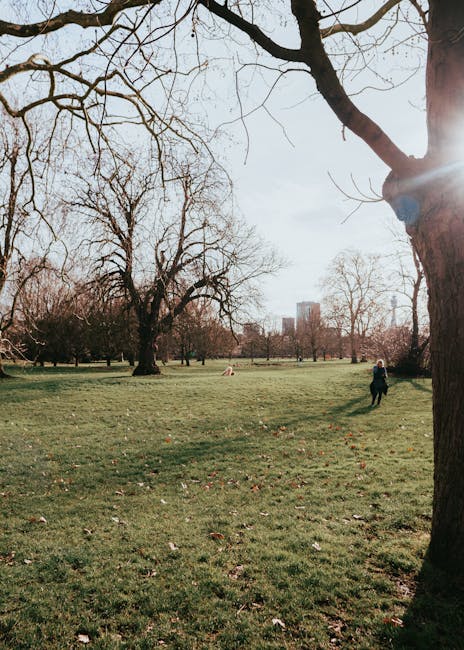
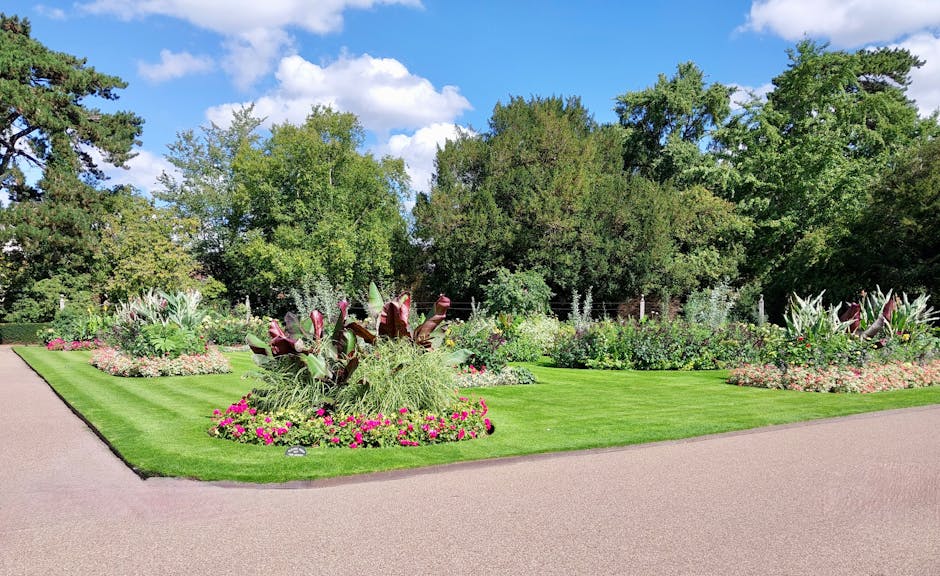
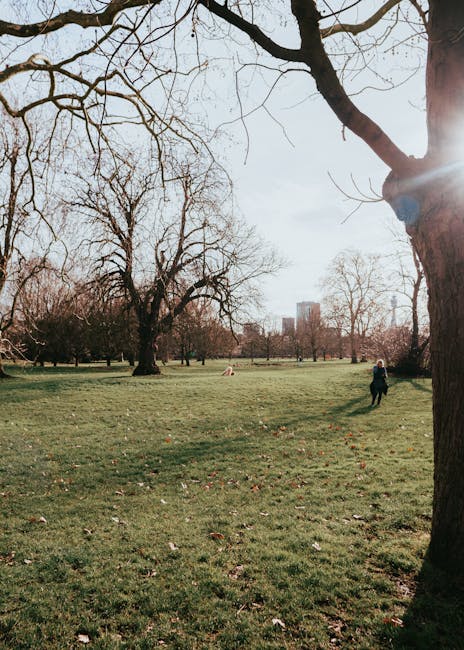
Regent’s Park is one of central London’s most recognisable royal parks, laid out in the early nineteenth century as part of the wider John Nash plan for the capital’s western edge. It is known for its broad landscape of formal and informal gardens, tree-lined routes and open spaces, with the Outer Circle providing a clear perimeter road around much of the park. The area includes the Queen Mary’s Gardens, widely associated with seasonal rose displays, and the Open Air Theatre, which has long formed part of the park’s cultural identity. Regent’s Park also contains significant sporting and recreational facilities, including playing fields and areas used by local clubs and visitors. The park’s design combines architectural structure with planted scenery, and that contrast is one reason it remains distinctive in London. Around the edges, terraces and villas from the Regency period help define the historic character of the wider district, while nearby routes connect it to other central areas such as Marylebone, Primrose Hill and Camden. The park itself is part of a carefully managed urban landscape rather than a single enclosed garden, so it functions as both a public green space and a historic setting with clear formal planning. Its long association with leisure, horticulture and civic use gives the name lasting recognition far beyond the immediate neighbourhood.
Keeping Lines Clean and Gardens Presentable
When a hedge is one of the first things people see, the quality of the trim affects the whole garden. Uneven tops, ragged sides and overlong shoots can make even a well-kept space look untidy. A careful trim restores shape and allows the hedge to support the rest of the planting instead of overpowering it. In many gardens, that simple improvement makes the whole boundary feel more controlled and intentional.
We can work on hedges that need a straightforward tidy-up as well as those that have lost their line over time. The important point is to match the trim to the hedge’s condition rather than forcing it into an unsuitable outline. If the hedge is part of a formal garden, the finish may need to be crisp and even; if it sits in a more relaxed setting, a softer edge may look better. Hedge trimming services are usually easiest to specify once the hedge’s purpose is clear.
If you are preparing a quotation request, a brief message is usually enough to begin. Please mention the hedge location, approximate size and what you would like changed. If you already know the sort of finish you want, say so plainly; if you are unsure, describe the current condition and the result you are hoping for. We can then discuss the most suitable scope for the job.
Working Safely Around Structures, Pathways and Planting

Hedges often grow close to other garden features, so safe working around structures matters as much as the visible finish. Trimming near fences, walls, gates and paths can require a measured approach to avoid damage and to keep access open while the work is under way. We also take care around established planting so that the hedge is brought back neatly without unnecessary disturbance to nearby shrubs or borders.
In tighter spaces, it can be useful to decide in advance whether the goal is a full tidy-up or simply a reduction in the most overgrown sections. That is especially true where the hedge has natural variation in density, or where one side is more accessible than the other. A sensible trim should improve the garden without creating bare patches, awkward angles or an unfinished appearance on the more visible side.
If hedge work is being considered alongside other garden tasks, there may be a useful fit with related services such as the garden clearance page, particularly where the space also needs general tidying. That does not replace the hedge work itself, but it can help when the garden needs a more joined-up approach rather than isolated attention to one feature.
Hedge Size, Access and Quotation Factors
Several practical factors can affect the scope of hedge trimming. Height, length, thickness and accessibility all influence how the work is planned, as do any features directly beside the hedge. A short run with good access is naturally different from a long, mature hedge running along a boundary or rising above a wall. The quotation should reflect the actual job rather than an assumed standard size.
It also helps to know whether you need only the visible trim or whether the hedge has grown enough to need proper reduction. A hedge that is simply untidy can often be reshaped efficiently, while a hedge that has overgrown its space may need a more deliberate approach. If there are extra requirements such as cuttings removal or working around a narrow side passage, those details should be included when you enquire so that the quote is based on the real conditions.
Our aim is to make the process straightforward. Tell us what the hedge looks like now, what finish you would like and whether there are any access constraints. If you are comparing several garden tasks, you can group them together in one message so the scope is easier to understand. For the next step, please request a quotation with the hedge details you already have.
Related Garden Services and Practical Next Steps
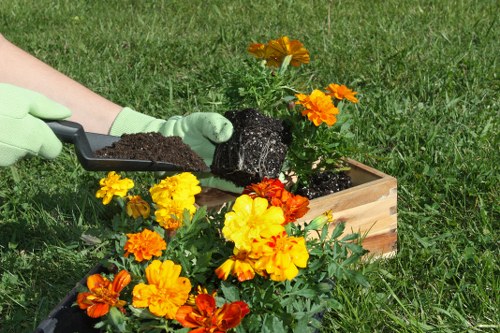
Some customers approach hedge trimming as part of a wider plan for the outdoor space. In that situation, it can be useful to think about adjoining work such as lawn care, planting adjustments or general landscape changes. Where the hedge is only one part of a broader garden project, a coordinated approach can create a cleaner result than handling each element in isolation. For broader hard and soft landscaping enquiries, our landscape gardening page may offer a sensible next step.
Other gardens benefit from pairing hedge work with tree care, lawn maintenance or a more general tidy-up of the outside space. The point is not to bundle every job together unnecessarily, but to decide whether the hedge should be treated as a single task or as part of a wider improvement. If you already have a clear idea of the finish you want, that makes it easier to discuss the most appropriate scope and to keep the quotation focused.
When you are ready, you can ask for a quote in your own words and include the hedge location, rough dimensions and any special requirements. If you prefer to review the company background or practical policies before getting in touch, the about us and contact us pages are available. A concise enquiry is enough to begin, and the final step is simple: request a quotation today.